
Dummy Teeth: Is Your Child’s Pacifier Harming Their Smile?
Dr. Rafif Tayara, one of Dubai’s best-reviewed dentists for kids and early ortho, explains the 3 reasons pacifiers cause ‘dummy teeth’ — and how parents can prevent them.
- الكاتبة
- Dr. Rafif Tayara, استشارية طب أسنان الأطفال
- الموضوع
- Oral habits
- تاريخ النشر الأصلي
- آخر تحديث
- مدة القراءة
- 7 دقيقة قراءة
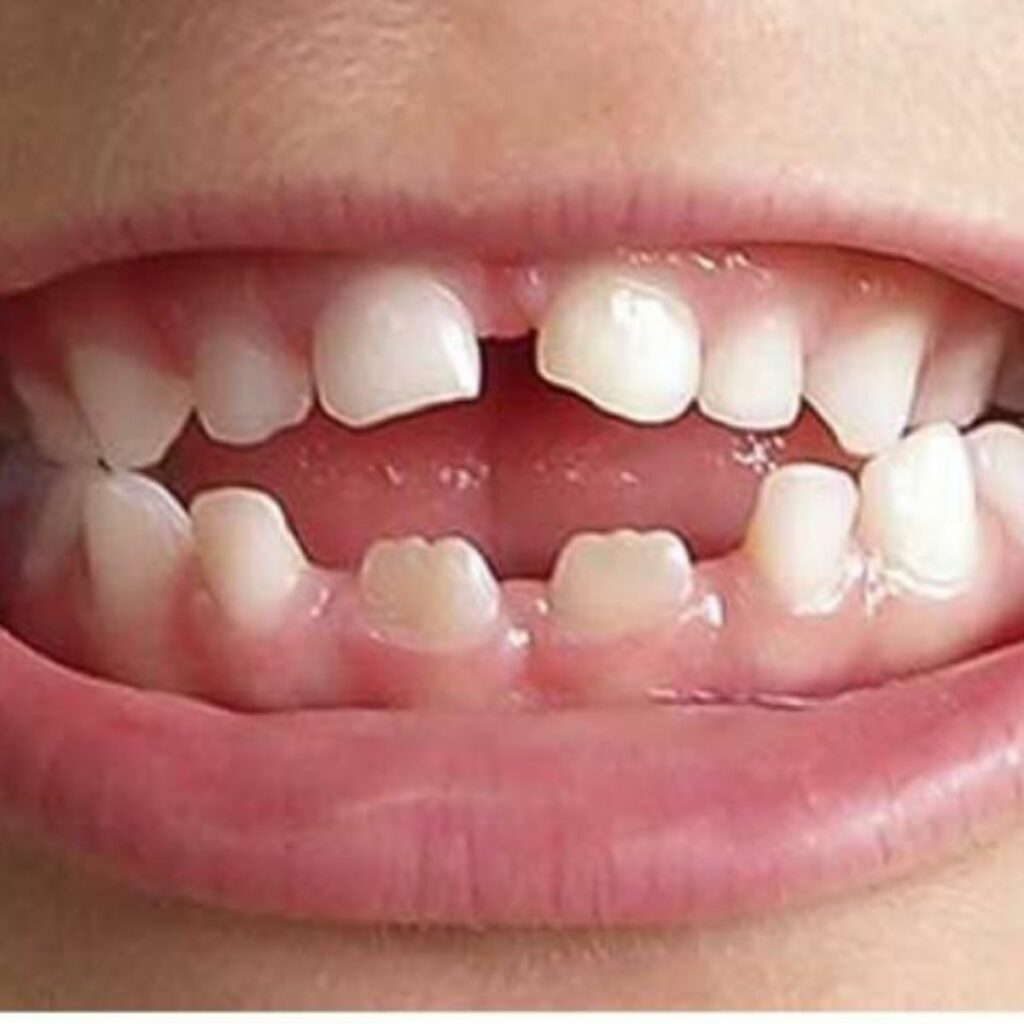
Call it a pacifier, soother, or dummy; these small wonders often become more than just comforting tools. They evolve into what I like to call a “rescue” tool. Parents and children affectionately give them nicknames, as they sometimes develop into long-term companions. Two questions linger in the minds of almost every parent I see at JuniorDental in Dubai: when does a pacifier become more than just a comforting tool, and will a pacifier harm my baby’s teeth?
Just like the first dental visit, there is a lot to consider when it comes to pacifiers. In this article I guide you through three key reasons why your child might develop ‘dummy teeth’, and how to prevent them. Let’s dive in.
First, let’s understand the innate needs of babies
Babies are born with a strong innate urge to suck. It is one of the infant’s primary calming mechanisms, essential for their development and comfort, and it helps them through the first weeks and months of life.
This instinct ensures reflexive sucking at the breast, on fingers, or on a pacifier as soon as they touch the mouth. For infants who breastfeed, this need is often met during nursing sessions. For babies who do not breastfeed, a pacifier can be a valuable tool to fulfil their need for non-nutritive sucking.
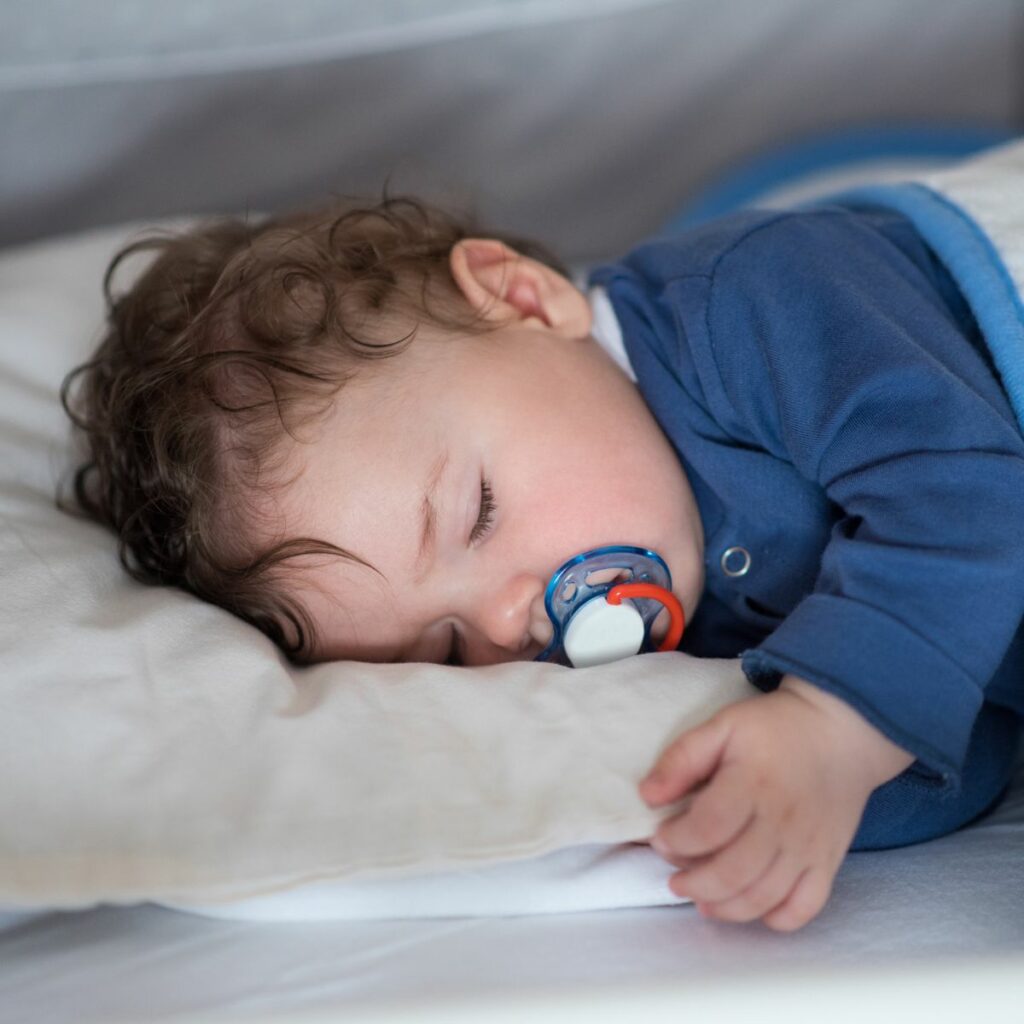
What are the benefits of a pacifier?
- Pacifiers play a role in reducing the risk of sudden infant death syndrome (SIDS).
- They soothe fussy or irritable infants; sucking provides comfort and security and helps babies self-regulate their emotions.
- Many parents find pacifiers help their baby fall asleep more easily and improve sleep quality.
- They help overstimulated babies settle in busy social settings.
- They give mamas a break — a hot shower, a cup of coffee, a proper conversation with a friend, or a moment of calm for your own mental wellbeing.
But when does a pacifier become damaging for a child?
In more than 15 years of practice as a Specialist Pediatric Dentist, I have identified three key reasons why pacifiers can damage a baby’s teeth and why they are linked to the development of ‘dummy teeth’.
Reason 1: Prolonged and excessive pacifier use
Pacifier overuse, especially in older toddlers, can lead to an abnormal tongue position in the mouth, tooth misalignment, and improper jaw development. If you offer a pacifier all day and all night, that constant pressure can damage the jaw and the teeth.
Reason 2: Choosing the wrong pacifier shape
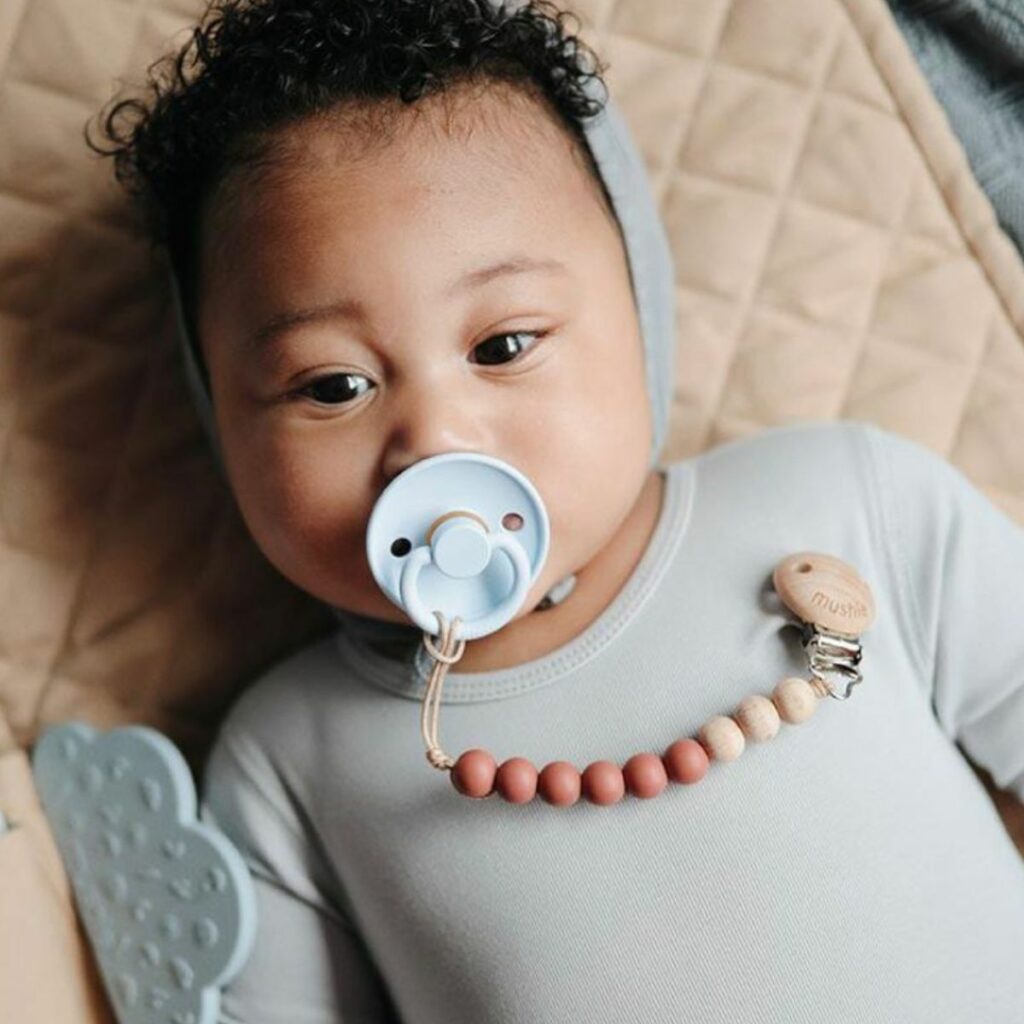
Selecting the correct pacifier is crucial. Heavy pacifiers weighing more than 10 grams, or bulky, hard silicone ones that partially block the nose, can negatively affect jaw development.
Reason 3: Strong intensity of sucking
The intensity of sucking also plays a big role in developing ‘dummy teeth’. Some babies have stronger sucking reflexes than others, creating excessive negative pressure inside the mouth. Submitting the jaw muscles to that power repetitively, and for long periods, creates damage.
How to prevent dummy teeth: ask your pediatric dentist
If your baby uses a pacifier, discuss with your pediatric dentist which pacifier is best for your baby to prevent dummy teeth. Book your child’s first oral-health check-up at age one, or before their first tooth emerges, so any negative side effects of pacifier use — and any early orthodontic concern — can be spotted and prevented in time.
At JuniorDental in Umm Suqeim, Dubai, I check the bite, the palate shape and the tongue position at every visit, and coach parents through gentle, shame-free weaning when the habit needs to stop.
Frequently asked questions
- Will a pacifier harm my baby’s teeth?
- Occasional, age-appropriate pacifier use in babies is generally fine. Harm comes from three things: prolonged all-day and all-night use in older toddlers, the wrong pacifier shape or weight, and a very strong sucking intensity. Together these can tip the front teeth forward, create an open bite and affect jaw development — what parents call ‘dummy teeth’.
- What are dummy teeth?
- ‘Dummy teeth’ describes the dental pattern seen after prolonged pacifier use: upper front teeth pushed forward, lower teeth tipped back, an open bite where the front teeth do not meet, and often a narrowed upper jaw with an abnormal tongue position.
- When should my child stop using a pacifier?
- Most children ease off the habit by themselves. If strong daily use continues into the preschool years, have a pediatric dentist assess the bite and plan a gentle weaning approach before the permanent teeth arrive.
- Which pacifier is best to prevent dummy teeth?
- A light pacifier — under about 10 grams — with a slim, soft, symmetrical shield that does not press on the nose, in a size matched to your baby’s age. Your pediatric dentist can check the fit at a routine visit.
- Where can I get pacifier and early orthodontic advice in Dubai?
- Dr. Rafif Tayara, Specialist Pediatric Dentist and one of Dubai’s best-reviewed dentists for kids and early orthodontic assessment, sees children at JuniorDental in Umm Suqeim, Dubai, from their first tooth onwards.
المصادر
اقرأ أيضًا
First visits
5 Must-Knows for Your Child’s First Dental Visit
When should a baby first see a dentist? Dr. Rafif Tayara, Specialist Pediatric Dentist in Dubai, explains the right timing, why prevention matters and what to expect at the first visit.
- تاريخ النشر
- الكاتبة
- Dr. Rafif Tayara
- مدة القراءة
- 7 دقيقة قراءة
Daily care
Kids Toothbrushes: How to Choose the Right One
Dr. Rafif Tayara, Specialist Pediatric Dentist in Dubai, explains the three things parents should check when choosing a kids toothbrush: head size, soft bristles and handle grip.
- تاريخ النشر
- الكاتبة
- Dr. Rafif Tayara
- مدة القراءة
- 6 دقيقة قراءة
Prevention
The importance of oral health for children
Why children's oral health affects eating, speech, sleep, confidence and general health — explained by Specialist Pediatric Dentist Dr. Rafif Tayara in Dubai.
- تاريخ النشر
- الكاتبة
- Dr. Rafif Tayara
- مدة القراءة
- 6 دقيقة قراءة